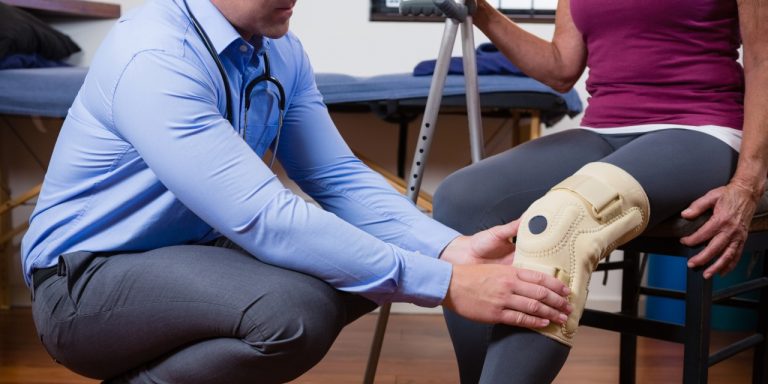
Targeted Physical Treatment Methods Encourage Better Strength and Flexible Movement
A sore knee or tight back usually starts silently. Everyday movement becomes frustrating once stiffness settles into the body little by little. Discussions connected to Knee Injury Rehabilitation often appear when people begin searching for simple ways to move comfortably again without depending completely on rest alone. Small aches may not seem serious at first, although over time they slowly change sleeping positions, walking habits, and even normal daily routines around the house.
Daily Body Strain Slowly Changes Normal Movement
Body discomfort builds differently for everyone. One person may struggle with shoulder tightness after computer work, while somebody else notices sore hips after standing too long every day. Repetitive movement usually places pressure on muscles and joints without people realizing it immediately.
- Tight shoulders from desk jobs
- Knee soreness after physical activity
- Back strain from lifting
- Elbow discomfort from repeated movement
- Weak ankles after old sports injuries
People sometimes wait for months before getting treatment because of the discomfort comes and goes at random. That delay often makes movement feel harder later.
Physical Therapy Meetings Feel Different for Every Person
Physiotherapy is not always intense exercise or difficult stretch routines. In many cases, treatment starts slowly with basic movement checks and smaller physical adjustments helping the body move more freely again.
Some recovery plans include:
| Treatment Area | Everyday Support |
| Joint movement | Easier walking |
| Stretch routines | Less stiffness |
| Muscle support | Better balance |
| Posture training | Reduced strain |
| Guided exercises | Improved flexibility |
Therapists usually adjust sessions depending on how the body responds week after week. Some people improve quickly while others need slower recovery progress. That slower approach often feels less stressful physically.

Massage Support Helps Tight Areas Relax Naturally
Muscle tightness changes posture more than many people expect. Once certain muscles stay tense too long, nearby joints begin working harder during simple movement. Massage therapy helps release some of that pressure gradually.
- Neck tension
- Tight lower back muscles
- Sore legs after work
- Shoulder stiffness
- General body fatigue
Some patients even notice better sleep once muscle tightness starts easing naturally.
Conversations surrounding Knee Injury Rehabilitation also appear beside massage therapy discussions because muscle tightness around nearby joints sometimes affects flexibility more than people first realize.
Acupuncture Became Common During Recovery Care
Acupuncture no longer feels unfamiliar to many people seeking physical treatment support. Several clinics now include acupuncture sessions alongside movement therapy and massage appointments.
Thin needles placed carefully around treatment points may help encourage relaxation and circulation during recovery care. Patients often choose acupuncture when dealing with:
- Ongoing muscle tension
- Joint stiffness
- Sports recovery soreness
- Shoulder discomfort
- Back tightness
Consistent Movement Matters More Than Forceful Exercise
Recovery rarely improves through complete rest alone.
- Short walks during the day
- Gentle stretching after sitting
- Better sleeping posture
- Controlled lifting movements
- Staying active regularly
Those smaller habits may not look dramatic at first, though over time they quietly support recovery progress.
Many people expect recovery to happen quickly. Sometimes the biggest relief comes from simple things people missed without noticing at first.