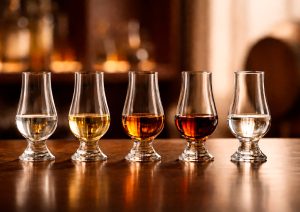
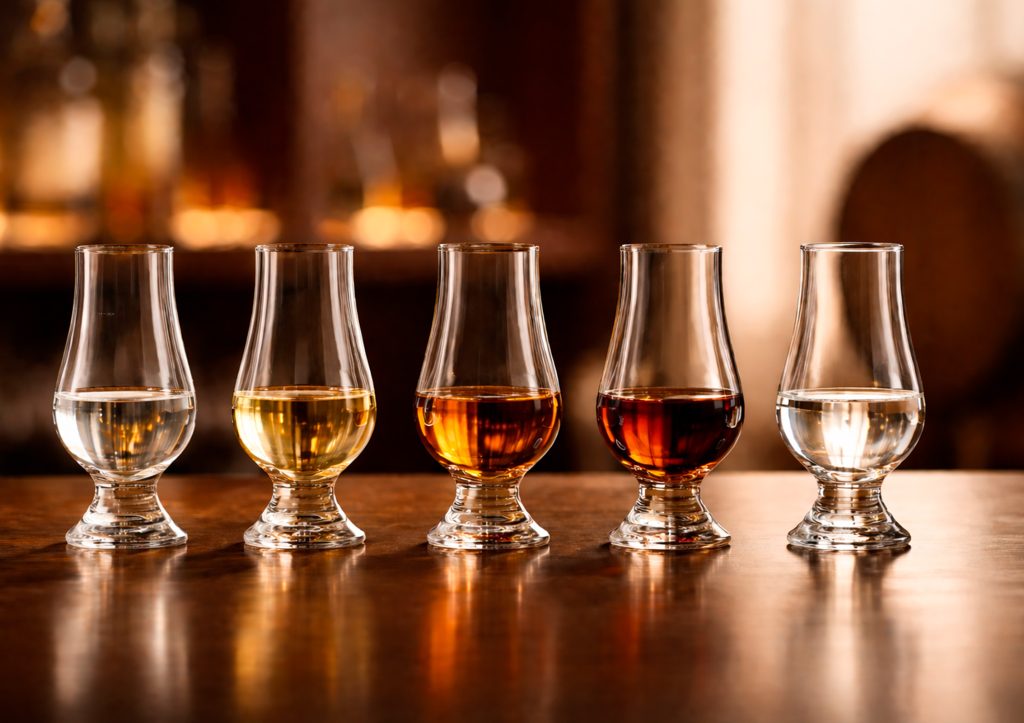
Blanco and aged tequila offer distinct tasting characteristics shaped by production and maturation. Exploring https://drinkingtequila.com/brand/casa-dragones/ helps readers understand how agave character develops across different expressions. Fresh herbal notes contrast with oak-driven depth. Recognizing these differences makes tasting more rewarding and helps drinkers select suitable styles for cocktails or slow sipping.
Blanco Tequila Preserves Fresh Agave Character
Blanco tequila highlights cooked agave with crisp, lively flavors. Minimal ageing preserves its original plant character. Citrus zest, pepper, and earthy notes often lead the palate. These qualities work well in bright cocktails where freshness matters.
- Lime brings out its citrus character.
- Black pepper adds a lively finish.
- Mineral notes create a clean impression.
- Cooked agave contributes gentle sweetness.
Aged Expressions Develop Oak And Spice
Barrel maturation introduces deeper aromas and smoother textures. Reposado rests briefly in wood, while añejo matures longer. Vanilla, toasted oak, caramel, and baking spices can emerge. These flavors complement agave rather than erase its underlying character.
What Changes During Barrel Maturation?
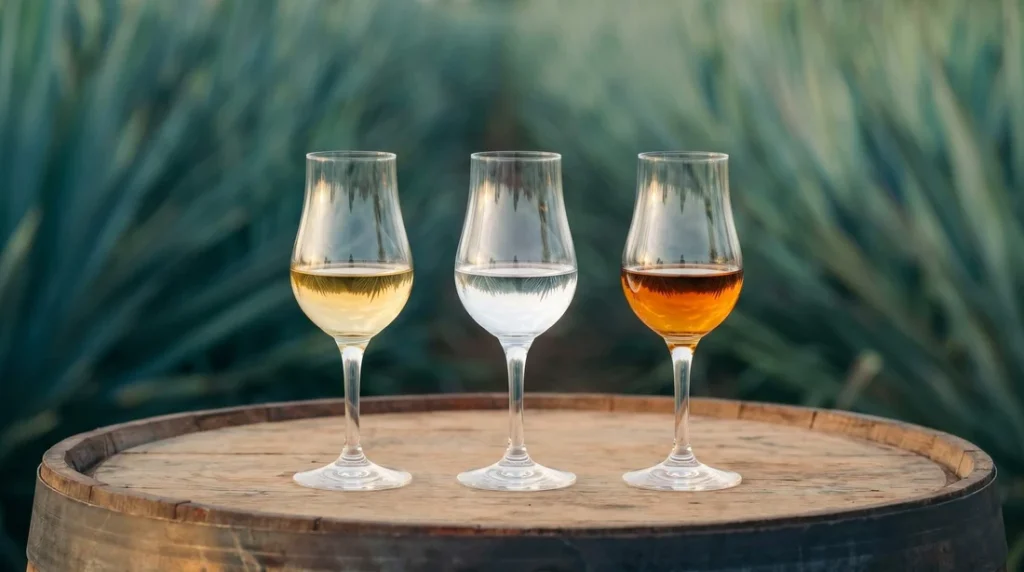
Wood contact influences colour, aroma, and perceived sweetness. Oxygen exposure also affects the spirit over time. A lightly aged tequila may retain bright agave notes, while extended maturation can create richer layers. Barrel type and ageing conditions influence the final balance.
Comparing Tasting Notes Across Expressions
A side-by-side tasting reveals differences more clearly. Sample each spirit neat at room temperature before adding mixers. https://drinkingtequila.com/brand/casa-dragones/ offers a useful reference point for exploring how premium tequila expressions present distinctive flavor profiles.
| Tasting feature | Blanco | Aged tequila |
| Main character | Fresh agave | Agave with oak |
| Common aromas | Citrus and herbs | Vanilla and spice |
| Mouthfeel | Crisp and lively | Often rounder |
| Serving style | Margaritas and Palomas | Neat pours or sipping |
Which Tequila Suits Each Occasion?
The intended serving style helps guide selection. Blanco suits citrus-led cocktails and refreshing mixed drinks. Reposado bridges fresh agave and gentle wood influence. Añejo suits slower sipping, especially when toasted notes and richer aromas are preferred.
Distinctive Flavors Shape Every Pour
A citrus-led blanco can make a Margarita taste vibrant, while an añejo brings oak and spice to a quiet tasting. Neither style automatically offers greater quality. The most revealing choice depends on which flavors deserve attention in each setting.
FAQs
Is blanco tequila aged in barrels?
Blanco tequila is generally bottled without extended barrel maturation. Some expressions may receive brief resting or processing before bottling.
Does aged tequila taste sweeter?
Barrel ageing can introduce vanilla and caramel notes. These aromas create perceived sweetness without necessarily increasing the spirit’s sugar content.
Which tequila works best in cocktails?
Blanco suits citrus-forward cocktails because its agave character remains prominent. Reposado adds gentle spice to richer mixed drinks.
Does darker tequila indicate better quality?
Colour can reflect barrel ageing or permitted coloring additions. Quality depends on production standards, flavor balance, and personal preference.